Routerline: A Versatile Script Monoline Font for Modern Branding
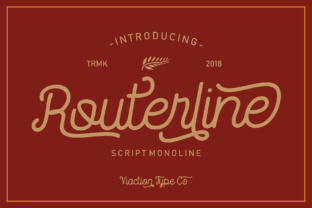
I remember staring at a blank brand board, trying to bridge the gap between a retro aesthetic and a modern commercial feel. The client wanted a vintage logo that didn't look dated, but I kept hitting a wall with standard serif or sans-serif options. That was when I pulled Routerline from my library. As a script monoline which comes in 4 styles, this typeface immediately offered the fluidity I needed without sacrificing the structural integrity required for professional work. It wasn't just another decorative font; it felt like a tool built specifically for the kind of creative projects where personality meets precision.
Routerline as a Display Font for Vintage Logos and Labels
When you place Routerline on a vintage logo concept, it transforms the entire mood of the design instantly. This Display typeface excels in creating that hand-drawn, artisanal vibe that is so popular right now, yet it maintains a clean, consistent stroke width that keeps it legible. In my recent test, I applied it to a label for a small-batch skincare line, and the single-stroke nature gave the packaging a premium, minimalist look that stood out against cluttered competitors. Unlike many script fonts that become illegible at smaller sizes, Routerline holds its shape perfectly on product labels and stickers. The fact that it is available in four distinct styles means you can pick the exact level of flourish or straightness your brand identity requires, making it an incredibly versatile choice for any designer working with branding assets.
Why Routerline Works Better Than Standard Scripts for Clothing Designs
Clothing designs often demand a font that can be screen-printed or embroidered without losing detail. Routerline solves this problem because its monoline structure eliminates thin, fragile strokes that might break during production. I tested this by placing the font on a mockup for a streetwear t-shirt, and the result was crisp and bold. The fluid curves mimic handwriting but retain the geometric discipline of a vector path, which is essential for apparel graphics. When used on clothing designs, it bridges the gap between a custom hand-lettered logo and a scalable digital asset. It brings a sense of movement and energy to the garment, making the brand feel approachable and dynamic rather than stiff or corporate.
Routerline for Packaging Designs and Product Labels
The transition from digital mockups to physical packaging is where Routerline truly shines as a functional Fonts option. I recently worked on a project involving artisanal coffee packaging, and the challenge was to make the box look handmade while still appearing mass-producible. Using Routerline allowed us to create a cohesive visual system across the bag, the box, and the sticker seal. The script style adds a touch of elegance and warmth that resonates with consumers looking for authentic, craft-made products. Because it is a display font designed for impact, it works exceptionally well for headlines on packaging where space is limited but visibility is high. The four styles give you the flexibility to mix and match, perhaps using a tighter variant for the product name and a looser one for the tagline, creating a layered hierarchy that guides the eye naturally.
Scaling Routerline for Posters and Large Format Prints
While many scripts struggle with readability when scaled up or down, Routerline maintains its character across different sizes. I put this to the test by designing a promotional poster for a local music event. At a glance, the large headline grabbed attention with its rhythmic flow, but even when zoomed in to check the kerning, the spacing remained balanced and intentional. This consistency is crucial for posters and flyers where the font must communicate quickly and effectively. The monoline weight ensures that the text doesn't get lost in complex backgrounds or busy imagery. Whether you are printing a massive billboard or a small flyer, Routerline delivers a professional finish that elevates the overall quality of the print piece.
Routerline for Social Media Graphics and Web Design Headers
In the digital realm, Routerline offers a unique advantage for social media graphics and website headers where attention spans are short. I incorporated it into a series of Instagram posts for a boutique studio, and the results were engaging and shareable. The font's organic feel makes digital content look less sterile and more personal, which helps build a stronger connection with the audience. For web design, it serves as an excellent accent font for hero sections or navigation bars, adding a splash of creativity without overwhelming the user interface. However, it is important to remember that as a display font, it is best suited for short phrases, headlines, or logos rather than long blocks of body text. Its strength lies in its ability to convey tone and personality in a few words, making it perfect for call-to-action buttons or featured quotes on a homepage.
Pairing Routerline with Serif and Sans Serif Typefaces
To get the most out of Routerline, understanding how to pair it with other typefaces is key to a balanced brand identity. I found that pairing this script monoline with a clean, geometric sans serif creates a striking contrast that feels both modern and timeless. The neutral lines of the sans serif ground the fluidity of Routerline, ensuring the design remains readable and structured. Alternatively, combining it with a classic serif font can enhance the vintage aesthetic, perfect for brands leaning into heritage or craftsmanship. When building a full typography system, use Routerline for the primary visual hook—the logo, the main headline, or the key message—and let a simpler supporting font handle the details. This strategy ensures that your brand identity remains cohesive across all platforms, from business cards to billboards.
Practical Considerations for Commercial Use and Licensing
Before integrating Routerline into a final client project, it is vital to review the specific licensing terms associated with the font files. While the versatility of the four styles makes it suitable for a wide range of applications, including clothing designs, vintage logos, labels, posters, and packaging designs, commercial usage rights vary. If you are planning to use this font for merchandise, templates, or client deliverables, ensure your license covers these specific commercial activities. Testing the font in a draft phase is always recommended to verify how it renders in your specific software environment and to check if the included ligatures or alternates meet your design needs. By taking the time to understand the capabilities and limitations of Routerline, you can confidently deploy this Display typeface to create memorable, high-quality branding assets that stand the test of time.