Quite Hustle: A Striking Typeface for Modern Editorial Design
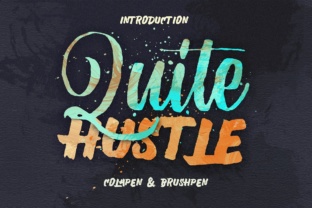
I remember the exact moment I realized my latest project needed a change. I was designing a cover for a digital coaching workbook, staring at a screen full of generic sans serif headers that felt too cold and corporate. The content was about mindful productivity, yet the typography screamed efficiency over elegance. That is when I decided to test Quite Hustle, a striking typeface which comes in two weights regular and bold. As soon as I dropped it into the layout, the entire mood shifted from sterile to sophisticated. It wasn't just about adding letters; it was about curating a visual rhythm that invited readers to slow down and engage with the material.
Quite Hustle for Bold Blog Headers and Digital Magazine Covers
When you are building a Display font collection for your next editorial feature, Quite Hustle offers an immediate solution for commanding attention without overwhelming the eye. I applied this typeface to the masthead of a lifestyle blog redesign, specifically using the bold weight to anchor the navigation bar against a clean white background. The contrast between the heavy, confident strokes and the lighter body text created a natural visual hierarchy that guided the reader's gaze immediately to the most important information. Unlike many other fonts that require complex kerning adjustments to look professional, Quite Hustle balances its proportions so naturally that even a novice designer can achieve a stunning design with minimal effort. The regular weight provided just enough character for subheads, while the bold version ensured the main headlines popped off the page on both desktop and mobile screens.
Why This Display Font Works for Recipe Ebooks and Printable Guides
The versatility of these Fonts becomes particularly evident when you move from web layouts to downloadable assets like recipe ebooks or printable planners. I recently tested Quite Hustle on the title page of a wedding guide PDF, where the elegant curves of the letterforms added a touch of romance that standard block letters simply could not match. Because the typeface relies on strong structural integrity rather than decorative flourishes, it remains highly legible even at smaller sizes used for ingredient lists or checklist items. When combined perfectly to create a stunning design, the interplay between the two weights allows you to distinguish between section titles and descriptive text without introducing a third font family. This consistency is crucial for maintaining a cohesive brand identity across all your digital products, ensuring that whether a client views the file on a tablet or prints it out, the aesthetic remains polished and intentional.
Quite Hustle for Newsletter Graphics and Social Media Content Branding
In the fast-paced world of email marketing and social media, grabbing attention in the first few seconds is everything. I integrated Quite Hustle into a series of newsletter graphics for a creative course launch, using the bold weight to highlight key takeaways within the email body. The sharp angles and distinct character of the letters cut through the visual noise of crowded inboxes, making the message feel urgent yet refined. For social media templates, the font's ability to scale effortlessly means it looks equally impressive as a large Instagram story header or a small caption overlay. By leveraging the unique personality of this Display typeface, creators can establish a recognizable visual voice that separates their content from the sea of generic templates available online. It transforms a simple announcement into a branded experience that feels curated and high-value.
Creating Visual Rhythm with Regular and Bold Weight Combinations
The true power of Quite Hustle lies in how the two available weights interact to support long-form reading experiences. I experimented with pairing the bold weight for pull quotes and the regular weight for chapter openers in a digital magazine layout, and the result was a dynamic flow that kept readers engaged. This combination prevents the monotony often found in single-weight designs, allowing the editor to emphasize specific points without breaking the typographic harmony. The font's structure ensures that even when used for larger blocks of text, such as introductory blurbs or call-to-action buttons, the readability remains high. It proves that a striking typeface does not have to sacrifice functionality for style; instead, it enhances the user journey by clearly delineating different layers of content.
Quite Hustle for Professional Brand Identity and Commercial Projects
For independent publishers and agency designers, selecting the right commercial font is a critical investment in brand longevity. Quite Hustle provides a robust foundation for building a premium brand identity because it strikes a balance between modern trends and timeless editorial aesthetics. Whether you are designing packaging for a wellness product, creating a logo for a boutique studio, or setting up a website for a portfolio site, the font adapts to various contexts with grace. Its clean lines and strong presence make it suitable for clients who want to convey authority and creativity simultaneously. When you choose Quite Hustle, you are opting for a versatile asset that can grow with your business, supporting everything from initial concept sketches to final print production.
Optimizing Layouts for Print Materials and Screen Displays
One of the most common challenges in modern design is ensuring that a typeface performs well across different mediums. I tested Quite Hustle extensively during a transition from digital drafts to physical print samples, and the results were consistently impressive. The bold weight held up beautifully on thick cardstock for event invitations, while the regular weight maintained clarity in fine print on book covers. On screens, the font renders sharply on Retina displays and mobile devices, ensuring that your message is never lost due to pixelation or poor rendering. This cross-platform reliability makes it an ideal choice for designers who need a single Display font to handle diverse projects without compromising quality. It eliminates the need to hunt for multiple fonts to achieve a specific look, streamlining the workflow for busy creators.
Pairing Quite Hustle with Serif and Sans Serif Body Text
While Quite Hustle is a powerful headline tool, its effectiveness is amplified when paired correctly with body text. In my recent editorial project, I chose a classic serif font for the main article text, which complemented the geometric nature of the display typeface perfectly. The contrast between the structured, slightly playful display font and the traditional readability of a serif creates a sophisticated tension that keeps the reader interested. Alternatively, pairing it with a clean sans serif font works well for more contemporary, tech-focused publications or minimalist branding. The key is to let Quite Hustle do the heavy lifting for the visual impact while the secondary font handles the endurance of long-form reading. This strategic approach ensures that the design feels balanced and professional, avoiding the chaotic look that can occur when too many competing styles are introduced.
Maximizing Value with Comprehensive Font Licensing and File Formats
Before committing to a new typeface for a client project, it is essential to review the included styles and licensing terms to ensure compliance. Quite Hustle comes ready to use with both regular and bold weights, offering immediate flexibility for any design brief. The file formats are compatible with industry-standard software, making integration seamless for designers working in Adobe Creative Cloud or similar platforms. Understanding the scope of the commercial license is vital, especially for those selling digital downloads or creating paid newsletters where the font usage must be explicitly permitted. By choosing a font that offers broad usage rights and high-quality file delivery, you protect your work and your clients' interests. This peace of mind allows you to focus on the creative process, knowing that the technical foundations of your project are solid.